In 2026, the idea of buying a piece of a global company from your smartphone is not just possible—it’s straightforward and accessible to everyone. The process has been demystified, democratised, and streamlined. For UK beginners, this means the barrier to entering the world of investing is lower than ever, but knowing the right steps is crucial to starting with confidence, not confusion.
This guide is your practical, step-by-step manual. We’ll walk through the exact process of how to buy shares in the UK in 2026, from opening your first account to placing your inaugural order. We’ll use clear examples, explain the terminology you’ll encounter, and provide the context you need to make informed decisions. Whether you’re using a monthly spare £100 or a larger lump sum, the principles remain the same. Let’s begin your journey to becoming a shareholder.
Before you can buy a single share, you need a digital “home” for your investments. This is called a share dealing account.
- What it is: A specialised account, offered by an FCA-regulated broker or investment platform, that allows you to buy, hold, and sell shares and other securities.
- The 2026 Account Choice: For beginners, the best option is almost always a Stocks and Shares ISA. This is a share dealing account with a powerful tax wrapper: all your profits (capital gains) and dividends are completely free from UK tax. The annual allowance for the 2026/27 tax year is £20,000.
- How to Open One:
- Choose a Platform: Research and select a beginner-friendly platform. Good options for 2026 include Trading 212 (known for its intuitive app and fractional shares), Freetrade (simple, commission-free model), or Hargreaves Lansdown (extensive research, trusted brand).
- Apply Online: The process is fully digital. You’ll need:
- Your National Insurance number.
- A valid UK address.
- A form of photo ID (passport or driving licence).
- Your bank account details.
- Identity Verification: The platform will use an electronic service to verify your identity, usually instantly. You may need to upload a photo of your ID.
- Fund Your Account: Once approved, you can transfer money from your bank account to your new dealing account. This is known as adding “cash to your balance”.
Visual: Account Opening Flowchart
[IMAGE: A simple flowchart: 1. Research Platforms → 2. Select “Open Stocks & Shares ISA” → 3. Enter Personal & NI Details → 4. Complete Identity Check → 5. Transfer Funds → 6. Account Ready.]
Step 2: Check the Price
Shares trade on an exchange (like the London Stock Exchange, or LSE) and their prices fluctuate throughout the trading day (8:00 AM to 4:30 PM GMT).
- Finding the Price: On your platform, use the search bar to find the company. You’ll see a “ticker symbol” (a short code). For example:
- Rolls-Royce Holdings:
RR. - Lloyds Banking Group:
LLOY - AstraZeneca:
AZN
- Rolls-Royce Holdings:
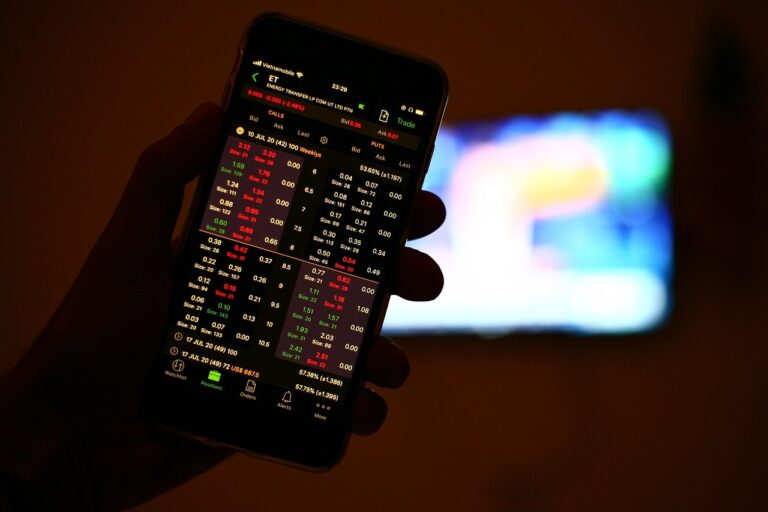
- Understanding the Quote: You’ll see two key prices:
- Bid Price: The highest price a buyer is currently willing to pay.
- Ask/Offer Price: The lowest price a seller is currently willing to accept.
- The difference between these is the “spread”. As a buyer, you pay the Ask Price.
- Example: You search for
LLOY. The quote shows: Bid: 56.40p | Ask: 56.45p. This means if you want to buy now, you’ll pay 56.45 pence per share.
This is where you decide the size of your investment.
- The Traditional Way: You calculate:
Investment Amount ÷ Share Price = Number of Shares.- E.g., With £500 and a share price of £10, you can buy 50 shares.
- The 2026 Way: Fractional Shares: Many modern platforms (like Trading 212) allow you to buy fractional shares. This means you can invest a fixed monetary amount regardless of the share price.
- E.g., You can choose to invest £100 in Tesla even though one full share costs £150. You would own 0.666 of a Tesla share.
- Beginner Advice: Start small. There’s no minimum. Your first trade could be a £50 investment in a company you believe in. The goal is to learn the process.
Step 4: Select the Order Type
This tells the platform how to execute your buy request. For beginners, there are two main types.
- Market Order:
- What it is: An instruction to buy the shares immediately at the best available current price (the Ask Price).
- When to use it: For highly liquid, large company shares (FTSE 100) when you want to execute the trade quickly and the exact price isn’t critical.
- Risk: In fast-moving markets, the price you get might be slightly different from the quote you saw.
- Limit Order:
- What it is: An instruction to buy shares only at a specific price or better. You set your maximum purchase price.
- When to use it: When you have a target price in mind, or you want more control and are willing to wait.
- Example: Lloyds shares are at 56.45p. You believe they might dip to 55p. You can place a Limit Order at 55p. Your order will only execute if the price falls to 55p or below.
- Risk: The order may never execute if the share price never reaches your limit.
Beginner Recommendation: Start with a Market Order for your first few trades to keep things simple.
Visual: Market Order vs. Limit Order
[IMAGE: A two-panel comic. Panel 1 (Market Order): A figure says “Buy now at whatever the price is!” and gets shares instantly. Panel 2 (Limit Order): A figure says “I’ll only buy if the price is £5 or less” and waits with a stopwatch.]
Step 5: Preview Your Order
This is your final checkpoint before committing. Every reputable platform will show you an order preview or confirmation screen.
- What to Check:
- Company Name & Ticker: Are you buying the right thing?
- Order Type: Market or Limit?
- Quantity/Value: Number of shares or the £ amount.
- Estimated Cost: This should include:
- Total Share Cost: (Price x Quantity)
- Platform Fees: Many 2026 platforms charge £0 commission for basic trades. Always double-check.
- FX Fee: If buying US shares (like Apple), a small currency conversion fee (often 0.15-0.5%) will apply.
- Total Deduction: The full amount that will be taken from your account cash balance.
Step 6: Place Your Order
If the preview looks correct, hit the “Place Order,” “Confirm,” or “Buy” button.
- What Happens Next (Instantly):
- For a Market Order, it will be filled almost immediately.
- You will receive an on-screen confirmation and an email with a formal contract note. This is your legal proof of the transaction.
- The shares will appear in your portfolio.
- The cash will be deducted from your account balance.
- Settlement: While you own the shares immediately, the formal exchange of cash for shares finalises in 2 business days (T+2) behind the scenes.
Step 7: Congratulations, You’re an Investor!
You’ve done it. The shares are now held in your name (via the platform’s nominee service) within your tax-free ISA wrapper.
- What to do now: Practice patience. Investing is a long-term activity.
- Monitor, Don’t Obsess: It’s fine to check your portfolio, but avoid the temptation to check prices multiple times a day. Short-term fluctuations are normal.
- Your Next Move: Consider setting up a regular investment plan. Most platforms let you automate monthly purchases of the same share or fund, which is a disciplined strategy called pound-cost averaging.
Key Questions for the 2026 Beginner
Can I Buy Stocks with Just £100?
Absolutely, yes. The landscape in 2026 is perfect for starting small.
- Fractional Shares: As mentioned, you can buy a £100 slice of any company, even Amazon or Berkshire Hathaway.
- No Minimums: Many platforms have no account minimums.
- Low-Cost Diversification: For £100, you could buy a single ETF (Exchange-Traded Fund) like the Vanguard FTSE All-World UCITS ETF (VWRL), giving you instant ownership in thousands of global companies with one purchase. This is often a wiser first move than picking one individual stock.
How Do Beginners Pick Stocks?
Don’t just pick a familiar name or a trending tip. Follow a simple framework:
- Understand the Business: What does the company do? Could you explain its product/service simply? If you don’t understand it, avoid it.
- Look for Competitive Advantage (The “Moat”): Does it have a strong brand, unique technology, or regulatory protection that fends off competition? (e.g., Diageo’s (DGE) portfolio of global spirit brands).
- Check Financial Health: Use free tools on your platform. Look for:
- Consistent revenue and profit growth.
- Reasonable debt levels.
- A strong balance sheet.
- Consider Valuation: Is the price reasonable? A quick metric is the Price-to-Earnings (P/E) Ratio. Compare it to the company’s history and its industry peers.
Which Stocks Are Best for Beginners?
Beginner-friendly stocks are typically from large, stable, well-understood companies with a long track record. Consider starting with:
- FTSE 100 “Blue Chips”: Large, established UK companies.
- Unilever (ULVR): Maker of everyday consumer goods (Hellmann’s, Dove). Global, resilient business.
- Legal & General (LGEN): A leading UK financial services firm. Offers a strong, reliable dividend.
- A Simple Alternative – Investment Trusts: These are listed funds run by managers. A great one is Scottish Mortgage (SMT), which invests in a concentrated portfolio of the world’s most exciting public and private growth companies, offering instant diversification.
What Are the Risks of Investing?
Going in with your eyes open is non-negotiable.
- Capital Risk: The value of your investment can go down. You could get back less than you put in.
- Volatility: Share prices will fluctuate daily, sometimes sharply.
- Company-Specific Risk: Problems at the specific company you invest in (lost contract, scandal, poor results) can hurt its share price alone.
- Market Risk: Broader economic events (recession, interest rate changes) can cause the entire market to fall.
- Inflation Risk: Your investment returns might not keep pace with rising prices, eroding your purchasing power.
Mitigation Strategy: Diversification—spreading your money across different companies, sectors, and countries—is the best tool to manage risk. This is why a global ETF is often the recommended first step.
Frequently Asked Questions (FAQs)
Through FCA-regulated investment platforms or stockbrokers. For beginners in 2026:
- For App-Based Ease & Fractional Shares: Trading 212, Freetrade
- For Extensive Research & Fund Choice: Hargreaves Lansdown, interactive investor
- For Super-Low Cost Index Investing: Vanguard Investor UK
The cheapest way is typically on the same commission-free platform where you bought them. Always check:
- Selling Commission: Most modern apps charge £0.
- FX Fees: Selling US shares will incur a small conversion fee back to GBP.
- Spread: You sell at the Bid Price, which is slightly lower than the Ask Price you bought at. This is a hidden cost of any trade.
You now know the 7-step process! The specific company doesn’t change the steps. Whether it’s a UK giant like Shell (SHEL) or a US tech leader like Apple (AAPL) listed on the NASDAQ, the process on your platform is identical. The only difference with international shares is the small FX fee.
Conclusion: Your First Trade is Just the Beginning
Buying your first share in 2026 is a milestone, but it’s the start of a journey, not the destination. The real magic of investing happens through consistent saving, long-term patience, and ongoing learning.
Your action plan for the week ahead:
- Research and open a Stocks and Shares ISA with a beginner-friendly platform.
- Fund it with an amount you’re comfortable with (even £100).
- Use the 7 steps to make your first investment—perhaps in a fractional share of a company you admire or a single unit of a global ETF.
- Set up a monthly direct debit to invest regularly.
Remember, every expert investor was once a beginner who placed their first tentative order. By following these structured steps, you’re not just buying a share; you’re buying a stake in a business and, more importantly, buying your first building block of long-term financial growth. Congratulations in advance on taking this empowering step.
Disclaimer: This article is for informational purposes only and does not constitute financial advice. The value of investments can go down as well as up. You may get back less than you invest. Past performance is not a reliable indicator of future results. If you are unsure about the suitability of an investment, please seek advice from a qualified financial adviser. Tax treatment depends on individual circumstances and may be subject to change.